
"cultivation techniques"
2000 article(s) found

Introduction to cultivation techniques of Coffee Fruit
Cultivation techniques require that the origin of coffee trees [4] is in Ethiopia in Africa. In botany, coffee trees belong to the evergreen trees of the subgenus Rubiaceae, and coffee beans, commonly known as coffee beans, are actually the seeds of the fruit of coffee trees. They are called coffee beans only because they are shaped like beans. Climate is the decisive factor for coffee cultivation, and coffee trees are only suitable for growing in the tropics or subheat.

Cultivation techniques of Coffee History of Botany Coffee roasting
The cultivation technology editor requires that the origin of coffee tree [4] is in Ethiopia in Africa. In botany, coffee trees belong to the evergreen trees of the subgenus Rubiaceae, and coffee beans, commonly known as coffee beans, are actually the seeds of the fruit of coffee trees. They are called coffee beans only because they are shaped like beans. Climate is the decisive factor for coffee cultivation. Coffee trees are only suitable for growing in the tropics or

Cultivation techniques of small-grain coffee: multi-dry shaping and cultivation
Cultivation techniques of small-grain coffee: multi-dry shaping and cultivation
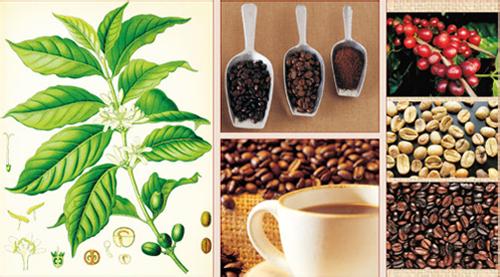
High-yield cultivation techniques of Coffee in Hainan
In order to make the standardized planting technology of coffee easy to learn and understand, the Institute of Flavor and Beverage of the Academy of Thermal Sciences has also compiled "High-yield cultivation techniques of Coffee", "Diagram of High-quality and High-yield cultivation techniques of small-grain Coffee", "Coffee cultivation and Primary processing Technology", "standardized production Technology of small-grain Coffee" and other atlas and books, which are given to coffee planting free of charge. The "breeding of 8 clones of medium-grain coffee" developed by the institute has won the country.

What are the types and characteristics of organic coffee?
Professional coffee knowledge exchange more coffee bean information please pay attention to the coffee workshop (Wechat official account cafe_style) Organic coffee in the cultivation does not use any insecticides and other chemicals to treat pests or cultivation problems, but the use of natural methods, such as the use of natural composting, hedgerow, pruning and other methods to maintain the growth of coffee trees, in terms of pest control

The requirements of geographical environment for the cultivation techniques of coffee trees
The cultivation technology editor requires that the origin of coffee tree [4] is in Ethiopia in Africa. In botany, coffee trees belong to the evergreen trees of the subgenus Rubiaceae, and coffee beans, commonly known as coffee beans, are actually the seeds of the fruit of coffee trees. They are called coffee beans only because they are shaped like beans. Climate is the decisive factor for coffee cultivation. Coffee trees are only suitable for growing in the tropics or

What is Organic Coffee_Introduction to Organic Coffee Bean Types_Price Analysis of Organic Coffee Bean
Professional coffee knowledge exchange More coffee bean information Please pay attention to coffee workshop (Weixin Official Accounts cafe_style) Organic coffee does not use any pesticides and other chemicals to treat pests or cultivation problems, but uses natural methods, such as natural composting, fencing, pruning and other methods to maintain the growth of coffee trees. In terms of pest control, I

Geographical Distribution cultivation techniques of Coffee trees
Coffee grows mostly in countries with alpine terrain between the Tropic of Cancer and the Tropic of Cancer. It is native to tropical Africa and is introduced and cultivated in South and Southwest China. [2] the cultivation technology editor requires that the origin of the coffee tree [4] is in Ethiopia in Africa. In botany, the coffee tree belongs to the evergreen tree of the coffee subgenus of Rubiaceae, and the so-called coffee bean is actually the fruit of the coffee tree.
Cultivation techniques of small-grain Coffee in Yunnan Province: pest Control
Small-grain coffee cultivation, coffee cultivation techniques and coffee pest control in Yunnan Province

Cultivation techniques of coffee trees how would you like your latte coffee milk foam to be beaten?
The cultivation technology editor requires that the origin of coffee tree [4] is in Ethiopia in Africa. In botany, coffee trees belong to the evergreen trees of the subgenus Rubiaceae, and coffee beans, commonly known as coffee beans, are actually the seeds of the fruit of coffee trees. They are called coffee beans only because they are shaped like beans. Climate is the decisive factor for coffee cultivation. Coffee trees are only suitable for growing in the tropics or
Cultivation techniques of small Coffee in Yunnan Province: harvesting and processing
Yunnan Province, small-grain coffee cultivation, coffee cultivation techniques, coffee harvesting, coffee processing
Coffee cultivation technique A tropical cash crop that is easy to cultivate
Coffee, cocoa and tea are called the three major beverages in the world, and their output, consumption and output value all rank first. In addition to being used as a beverage, coffee can also extract caffeine and coffee oil; in medicine, it can be used as an anesthetic, stimulant and diuretic cardiotonic agent. Coffee pulp can be used to make wine, vinegar, pectin and molasses; dried pulp can be used as animal feed; dried fruit shell can be used as fertilizer and burning

The history of coffee origin and traditional agricultural cultivation techniques in Ethiopia
History of coffee origin and traditional agricultural planting technology Ethiopia to the fifties and sixties of this century, many African countries have been independent, and have adopted green, yellow and red as the color of the national flag, so it is called pan-African color. Ethiopia is one of the ancient countries in Africa, with a long history of more than 3000 years, giving green, yellow and red colors deeper in this land.

Cultivation techniques of coffee trees how would you like your latte coffee milk foam to be beaten?
5 cultivation technology editor there are many legends about people discovering coffee. There is a legend that in the 13th century, there was a prince in Ethiopia who found that his camel loved to eat small oars on a bush, and after eating it looked very excited and energetic. So he also picked some small berries to taste, and finally discovered this refreshing coffee drink. Another legend is that

Cultivation techniques of main Coffee varieties related to Coffee
As you explore the history and beauty of coffee, you can also see the coffee trees that are caressed by the tropical sun and whose leaves twinkle. It has a small white flower similar to jasmine, its fruit from green to yellow-green, and finally to red, coffee beans are the seeds in its fruit. Moreover, if you go to the coffee bean refinery, you can certainly see the red color called coffee cherry.

Cultivation techniques of small-grain coffee soil management of coffee cultivation
Weeding, covering the young coffee garden, weeds are easy to breed, especially in the rainy season, weeding should be done once a month. If the labor force is sufficient, clean the grass should be removed first. Adult coffee garden can be weeded once every 2 to 3 months. If you use herbicides, you should be careful not to spray on the branches and leaves of coffee, and it is more important and prudent to use them in young coffee gardens. Coffee has shallow roots and is vulnerable to adverse climatic conditions such as high temperature and drought.

What are the cultivation techniques of coffee trees? what is the reason for the astringency of coffee?
It is required that the origin of coffee tree [4] is in Ethiopia in Africa. In botany, coffee trees belong to the evergreen trees of the subgenus Rubiaceae, and coffee beans, commonly known as coffee beans, are actually the seeds of the fruit of coffee trees. They are called coffee beans only because they are shaped like beans. Climate is the decisive factor for coffee cultivation. Coffee trees are only suitable for growing in the tropics or subtropics, so the south

Cultivation techniques of small Coffee cultivation of Coffee beans in Yunnan Province
Disease control: 1. Coffee rust is the main disease of coffee, the most harmful, the damaged plants, light reduced yield, heavy death. Coffee rust is mainly harmful to leaves and sometimes to young fruits and twigs. After the leaves were infected, many light yellow spots appeared at first and enlarged in the form of water stains, followed by orange-yellow powdery spores on the back of the leaves, and there was a light green halo around the disease spots, and the disease spots in the later stage.

Coffee cultivation techniques how to cultivate coffee seeds? Suitable climate and soil for coffee cultivation
Professional coffee knowledge exchange more information about coffee beans Please follow the coffee workshop (Wechat official account cafe_style) what are the fruits and seeds of coffee? Coffee beans bear fruit Coffee is a perennial evergreen shrub of the family Rubiaceae. At present, the coffee with economic value is Coffea arabica (Arabica) and Coffea canephora (Robusta).